Holiday Event | 20% OFF COSMETIC | $1000 OFF INVISALIGN | DECEMBER 19TH, 22ND, 23RD | Book Now

Categories
Uncategorized

Use Your FSA Benefits Before They Expire!

As the year winds down, it’s easy to overlook one major opportunity: your Flexible Spending Account (FSA). Those pre-tax dollars you’ve been setting aside all year can do more than just cover medical expenses; they can help you elevate your smile.

At The Chicago Dental Studio, your FSA can be used toward a variety of dental treatments designed to keep your smile healthy, confident, and camera-ready.

But there’s a catch: most FSAs expire on December 31, and unused funds don’t roll over. If you don’t use them, you lose them, which means now’s the time to book your end-of-year visit.


What Is a Flexible Spending Account (FSA)?

A Flexible Spending Account (FSA) lets you set aside pre-tax dollars from your paycheck to pay for eligible health and dental expenses. It’s one of the smartest ways to invest in your wellness and your appearance.

So yes, if you’ve been wondering, “Can you use FSA for dental?” the answer is absolutely yes!

FSA-Eligible Dental Treatments at The Chicago Dental Studio

Your FSA dental funds can be applied to a range of treatments at The Chicago Dental Studio, including both preventive and restorative care. Eligible FSA dental expenses may include:

  • Comprehensive dental exams and cleanings
  • Orthodontic treatments, including Invisalign®
  • Fillings and dental crowns
  • X-rays and diagnostic services
  • Periodontal (gum) treatments
  • Night guards
  • Dental implants
  • Veneers or other cosmetic treatments if deemed medically necessary* 

FSA eligibility may vary by provider, but our team can help confirm which services qualify and provide documentation for your FSA administrator.

Why You Should Use Your FSA Before the End of the Year

Using your flexible spending account dental benefits before they expire means more than avoiding waste; it’s about starting the new year feeling confident and refreshed.

Here’s why it matters:

  • Avoid losing unused funds: Most FSAs expire on December 31.
  • Save on care you already planned: Use pre-tax dollars for treatments you were considering anyway.
  • Get a head start: Beginning treatments like Invisalign® or dental implants now sets you up for success early in the new year.

How to Use Your FSA for Dental Treatments

Using your FSA for dental care is simple. Once you’ve scheduled your visit, please let our team know that you’d like to apply your Flexible Spending Account (FSA) toward the treatment. We’ll provide itemized receipts and any required documentation for your FSA administrator, so you can get reimbursed quickly and easily.

If you’re planning a multi-step treatment such as Invisalign® or dental implants, starting before December 31 can help you maximize your current FSA and plan for next year’s funds.

Not Sure What’s Covered? We’ll Handle the Details

Navigating your FSA dental coverage can feel complicated, but you don’t have to do it alone.

Our team at The Chicago Dental Studio helps patients every day make the most of their flexible spending account benefits. We can guide you through what’s eligible, assist with paperwork, and provide the documentation your FSA administrator might require.

All you need to do? Schedule your visit and step into one of our state-of-the-art studios, where modern design meets personalized dental care.


Categories
Uncategorized

5 Cosmetic Dentistry Procedures for a Smile Transformation

When your smile looks good, you feel good. Your smile is more than a feature; it’s a first impression, a reflection of your most personal form of self-expression. So if you’ve ever wished yours felt a little brighter, straighter, or more “you,” you’re not alone.

At The Chicago Dental Studio, cosmetic dentistry is where science meets style. It’s not just about fixing imperfections, it’s about elevating what’s already there. Whether you’re dreaming of subtle refinements or a full-on glow-up, today’s advanced cosmetic dental procedures make it easier than ever to design the smile you’ve always envisioned.

In this guide, we’re breaking down the five most effective (and transformative) cosmetic dentistry treatments so that you can explore your options with clarity, creativity, and confidence.

What Is Cosmetic Dentistry?

So, what is cosmetic dentistry? Cosmetic dentistry focuses on enhancing the appearance of your teeth, gums, and overall smile. From whitening and straightening to reshaping and restoring, these treatments combine cutting-edge technology with artistic precision. At The Chicago Dental Studio, we treat every smile as a design project, tailored to your goals, lifestyle, and unique features.

Cosmetic dentistry isn’t just about beauty; it’s about balance, proportion, and creating a smile that feels authentically you.

cosmetic dentistry treatments

Teeth Whitening

If you’re looking for a simple way to brighten your smile, teeth whitening in Chicago is a great option. It’s quick, effective, and one of the most popular cosmetic dental procedures we offer.

At The Chicago Dental Studio, our in-studio whitening treatments are a far cry from drugstore strips. We use professional-grade technology to lift stains and enhance brightness, all while tailoring the treatment to your specific shade goals and sensitivity levels. Think of it as a refresh button for your smile.

Best for: Dull or stained teeth, event prep, or a self-confidence boost

Studio Tip: Professional whitening can make you look years younger—in just one visit.

How it works: After a brief consultation, we apply a medical-grade whitening gel to your teeth and activate it with a specialized light. In less than an hour, your smile will be noticeably whiter and more radiant.

Learn more about how long teeth whitening lasts in this article.

Veneers

Looking for a complete smile makeover in one fell swoop? Veneers are where precision meets aesthetics.

These thin porcelain shells are custom-designed to fit over your natural teeth, covering up chips, discoloration, small gaps, and even irregular shapes. At The Chicago Dental Studio, our veneers are crafted with an eye for symmetry, proportion, and the unique qualities of your face. Nothing cookie-cutter here, just stunning, personalized results.

Best for: Clients looking for a major transformation or camera-ready smile

Studio Tip: Veneers aren’t just about perfection; they’re about expression. We’ll help you design a smile that reflects you.

How it works: We begin by designing your dream smile digitally. Then, we prepare the teeth, take impressions, and bond your custom-crafted veneers in a follow-up visit. It’s a seamless process that delivers dramatic results.

cosmetic dentistry treatment

Invisalign® or Clear Aligners

Say goodbye to brackets and wires. Invisalign is the modern, discreet solution for straightening your teeth without interrupting your lifestyle.

Perfect for adults who want real results without the “metal mouth” phase, Invisalign works through a series of clear aligners that gradually shift your teeth into alignment. You’ll still get the studio-level attention and oversight, with a treatment plan built around your goals.

Best for: Mild to moderate alignment issues, busy professionals, or anyone who missed the braces boat as a teen

Studio Tip: Invisalign doesn’t just enhance aesthetics; it improves bite and function, too.

How it works: After digital scans, we create a custom series of aligners tailored to your bite. You’ll wear each set for about two weeks, gradually moving teeth into place over time, without interrupting your daily flow.

Learn more about Chicago Invisalign Services and how to book an appointment today. 

Bonding

Looking for a quick fix that still delivers significant results? Dental bonding is an affordable way to repair chips, cracks, gaps, or discoloration, with minimal prep and maximum glow-up.

We use a tooth-colored resin to reshape or restore your teeth, and our expert team ensures the results look seamless and natural. It’s artistry in real-time, done in a single visit.

Best for: Clients wanting an instant refresh or small fixes without the commitment of veneers

Studio Tip: Bonding is a perfect entry point into the world of cosmetic dentistry.

How it works: We sculpt a durable resin material directly onto your tooth, shape it to blend beautifully, and cure it with a special light. The result? A polished smile, in under an hour.

Smile Makeovers (Combination Treatments)

Sometimes, one procedure isn’t enough, and that’s where smile makeovers come in. These are fully customized treatment plans that combine two or more cosmetic dentistry procedures, depending on your smile goals.

Your smile makeover might include Invisalign, veneers, whitening, and more. We’ll guide you through every step, designing a transformation that enhances your natural features and brings out the best in you.

Best for: Total smile transformations or clients with multiple cosmetic concerns

Studio Tip: Think of it as a collaboration to create your dream smile, designed by the pros.

How it works: After a comprehensive consultation and digital smile analysis, we build a roadmap to your ideal smile. Treatments are phased strategically for optimal results and a seamless experience.

Let’s talk smile goals.

How to Choose the Right Cosmetic Dentistry Option

Not sure where to start? That’s what we’re here for. At The Chicago Dental Studio, every cosmetic dentistry treatment begins with a conversation. We take the time to understand your vision, evaluate your needs, and craft a treatment plan tailored just for you. Schedule your consultation today.

Your Smile, Reimagined

Transforming your smile isn’t about chasing perfection; it’s about stepping into the best version of yourself. Whether you’re preparing for a milestone moment or simply ready to invest in your everyday confidence, cosmetic dentistry can be a powerful catalyst for change.

At The Chicago Dental Studio, we see every smile as a canvas and every patient as a collaborator. With cutting-edge techniques, artistic precision, and a passion for personalization, we’re here to help you shine on your terms.

Ready to get started? Not quite sure what your smile needs? That’s okay. You don’t need all the answers. You just need a studio that knows how to ask the right questions. Book a consultation, and let’s talk through your goals, lifestyle, and what a confident smile looks like for you. 

Want to keep learning? Check out these helpful reads:

Categories
Uncategorized

How to Strengthen Teeth: Our Top Tip for Healthy Teeth, Gums, & Enamel


Learning how to strengthen teeth and gums is a great way to maintain a confident smile. To do this, though, it’s important to follow dental care best practices, which keep your teeth looking and feeling their best.

Looking for practical steps to help you maintain healthier teeth and gums? Let’s dive right in.

4 Steps to Achieving Healthy Teeth and Gums

Having healthy teeth and gums won’t only help you keep a smile you love, but it can also prevent painful issues that cause major discomfort down the line.

Here’s how to strengthen your teeth and ensure your gums are in optimal condition.

1. Maintain a Regular Brushing Schedule

One of the most effective ways to strengthen gums and teeth is by maintaining a consistent brushing routine. Brushing your teeth at least twice a day with fluoride toothpaste removes plaque and prevents it from transforming into tartar, a major cause of gum disease and tooth decay. 

Brushing with a soft-bristled brush to avoid damaging the enamel and gums is ideal. Alternatively, switching to an electric toothbrush is a good way to ensure a gentle yet thorough brush, as the vibrations help dislodge small food particles. 

2. Arrange Regular Dentist Checkups

Regular visits to your dentist can ensure that your teeth stay healthy by catching any signs of decay early on. 

Besides providing recommendations for stronger gums and teeth, your dentist can also keep an eye out for gum disease, cavities, and other potential issues before they become more serious and harder to treat. 

Personalized advice on how to improve your dental hygiene routine is something a dentist can also provide, especially if you need treatments to strengthen your teeth in case of enamel damage or a similar issue.

If you’re looking for dental hygiene cleaning and a dentist who can build a personalized plan to strengthen your teeth, get in touch with The Chicago Dental Studio today. Our team will be happy to help. You can visit us to find the best Invisalign dentist in Chicago!

teeth strengthening

3. Work on Lowering Your Stress Levels

Many patients don’t realize this, but elevated stress levels can have a huge impact on your oral health because it can lead to teeth grinding, also known as bruxism. This, in turn, can damage your teeth and even cause gum disease if left unattended. 

Finding ways to lower your stress levels can naturally strengthen your gums and teeth. We recommend techniques such as regular exercise, mindfulness, and adequate sleep to not only reduce stress but also help keep your teeth in great condition.

Additionally, relaxation techniques like yoga and meditation can also improve your overall well-being, which in turn can support a healthy, beautiful smile. 

4. Floss and Use Mouthwash

Flossing and rinsing with mouthwash are essential for a complete oral hygiene routine. 

Food particles and plaque build up between our teeth and along the gum line. The good news is that daily flossing can help remove food particles in areas where your brush just can’t reach. 

Rinsing with an antiseptic mouthwash to kill bacteria, freshen your breath, and promote healthier gums is also necessary to defend against common diseases and painful conditions.


Tips to Help You Maintain Great Oral Health

Strong teeth are the foundation of good oral health, and there are several tips you can follow to ensure your mouth remains in good condition. 

Let’s take a look at some effective strategies to strengthen your teeth and maintain great oral health.

Eat More Mineral-Rich Food

Incorporating mineral-rich foods into your diet contributes to strong teeth and gums. Foods that are high in calcium, phosphorus, and magnesium build and maintain healthy tooth enamel, which results in stronger teeth that also look amazing. 

Dairy products like milk, cheese, and yogurt are excellent sources of calcium. Likewise, leafy greens, nuts, and fish also provide essential minerals that support dental health, so balancing your diet with these foods can significantly enhance your teeth’s strength and resilience.

Avoid Refined Sugar

Limiting refined sugar is one of the best things you can do to strengthen your teeth. Sugary foods and beverages result in accelerated dental decay and cavities because the harmful bacteria in your mouth love sugar. 

In other words, when you eat loads of processed sugars, you’re supercharging germs in your mouth.

As part of their digestive process, these bacteria produce acids that erode tooth enamel. To combat this, you should stick to natural sweeteners and reduce the amount of candy, soda, and other snacks. 

This will not only reduce the chance of decay but also better support overall gum and teeth health.

Stay Hydrated

Drinking plenty of water helps wash away food particles and bacteria from your teeth, so this simple act can actually help combat tooth decay and gum disease. 

Water also helps maintain saliva production, which is crucial for neutralizing acids in the mouth and protecting tooth enamel. Aim to drink at least eight glasses of water a day to keep your mouth healthy and your teeth strong.

how to strengthen your teeth

Oil Pulling and Saltwater Rinsing

Oil pulling and saltwater rinsing are natural methods to improve your oral health and get stronger teeth. 

The oil-pulling process involves swishing a tablespoon of coconut or sesame oil in your mouth for about 15-20 minutes to reduce bacteria and plaque. In short, these oils have an antibacterial effect, so going through this process once a month can help prevent additional issues later on. 

Another common home remedy, salt water rinsing, helps soothe inflamed gums and eliminate bacteria. 

As the name suggests, saltwater rinsing involves rinsing your mouth with a common ingredient found in all homes. 

Simply dissolve a teaspoon of salt in a glass of warm water and rinse your mouth thoroughly. The saltwater mixture is alkaline, so it helps counter and eliminate the acid environment that bacteria need to thrive.

Brush with the Right Toothpaste

Always opt for toothpaste that has fluoride, a mineral that helps rebuild weakened enamel and prevent cavities. Some toothpaste also contains ingredients like calcium and phosphate, which further strengthen gums and teeth. 

It’s recommended to brush at least twice a day with fluoride toothpaste to protect your teeth from decay and keep your enamel strong. This is a relatively small change that can make a significant difference in your dental health if you haven’t implemented it already.

Services We Offer

Cosmetic Dentistry Services

To Wrap Up

Healthy gums and teeth are the foundation of great oral health. If you maintain a regular brushing schedule, arrange regular dentist visits, and follow the tips we listed above, you can contribute to healthier teeth and a great smile.

At The Chicago Dental Studio, our oral care experts can create a custom treatment plan to help you achieve stronger teeth that make you smile whenever you look in the mirror. Get in touch with us today.

Related Articles

Dead Tooth Root Canal Before And After
What does a healthy tongue look like
Best Orthodontist Near Me
Dental Assistant vs Dental Hygienist

 

Categories
Uncategorized

6 Common Dental Problems (with Solutions)

What are some of the most common dental problems and solutions?

When it comes to dental issues, prevention is the best medicine. Unfortunately, for most people, knowing what to be on the lookout for can be a real challenge.

If you want to ensure that dental diseases don’t wreak havoc on your oral health, continue reading to learn about 7 of the most common dental issues so that you know how to avoid them and what signs to be on the lookout for.

6 Dental Problems and Solutions

Common tooth problems often present only subtle symptoms but can lead to devastating, long-term dental issues if ignored.

This is why being aware of common teeth problems, as well as their solutions, can be extremely helpful, especially if you are passionate about maintaining your dental health and protecting your smile.

Read on to learn about 7 common dental problems and solutions or get in touch with The Chicago Dental Studio to schedule a consultation at our state-of-the-art studio. Here at The Chicago Dental Studio, our mission is to redefine dentistry and create an environment that helps our patients feel pampered, relaxed, and cared for from the moment they walk through our door.

common tooth problems


1. Tooth Decay (Cavities)

Tooth decay and cavities are by far among the most common dental problems. Thankfully, these problems are not without solutions. Some of the easiest and most effective ways to combat tooth decay is through daily dental maintenance such as brushing and flossing.

The three most common culprits of tooth decay are:

  • Neglecting to brush sufficiently/frequently enough.
  • Neglecting to floss daily.
  • Overconsumption of sugary drinks or beverages.

By flossing and brushing regularly and avoiding overly sweet foods, starchy foods, beverages, and sticky candies or foods, you can minimize your risk of tooth decay.

2. Periodontal Disease (Gum Disease)

Gum disease is another of the most common dental problems that people encounter. This disease is all too often the result of poor oral hygiene including neglecting to brush and floss properly or regularly. Gum disease progresses quickly when neglecting to get proper cleaning from your dentist throughout the year.

3. Tooth Sensitivity

Tooth sensitivity is a common problem for many people and is brought on by a plethora of different conditions.

Some of the most common causes of tooth sensitivity include bruxism (teeth grinding), gum disease, enamel erosion, receding gums, and cracked teeth.

Ways to combat tooth sensitivity include wearing a mouth guard to prevent damage due to bruxism, brushing twice per day, flossing daily, avoiding acidic foods, and visiting the dentist immediately if you begin experiencing tooth sensitivity.

4. Root Infection

Root infections occur when the center of the tooth (the root canal) is exposed to bacteria that are allowed to build up. This build-up of bacteria is usually caused by poor oral hygiene and can be avoided if you brush, floss, and do routine dental check-ups.

5. Receding Gums

Gum recession is usually caused by aggressive brushing, smoking, genetics, or neglecting to floss. Gum recession can cause sensitivity to cold and hot foods, bleeding after brushing and flossing, swollen gums, and bad breath.

Mild gum recession may be treated with topical antibiotics or dental bonding so you should contact your dentist immediately if you begin noticing signs of receding gums.

6. Enamel Erosion

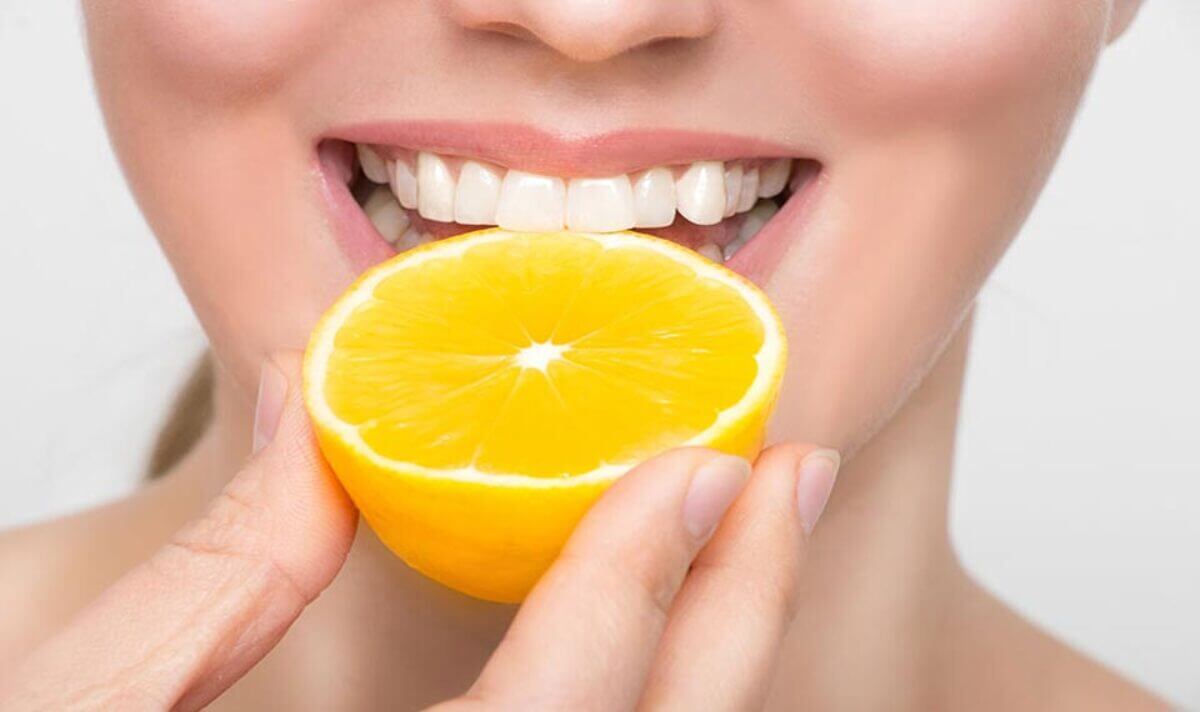
The primary culprits of enamel erosion are acidic foods and liquids that most people consume unknowingly. Foods and beverages such as coffee, wine, liquor, vinegar, tomatoes, and tomato sauce may be causing harm to your teeth without you even knowing it.

If you have sensitive teeth due to enamel erosion, consider cutting back on highly acidic foods to protect your teeth.

common teeth problems


Dental Problems and Solutions: Tips

Avoiding dental problems, while it can feel like a chore at times, is always a better option than waiting until you have a dental issue and trying to remedy it — prevention really is the best cure.

Some tips for maintaining good dental health and avoiding dental issues are: 

  • Brush your teeth twice per day.
  • Floss daily.
  • Visit the dentist for a routine cleaning every six months.
  • Visit the dentist immediately if you begin noticing any dental issues such as pain, sensitivity to temperatures, etc.
  • Maintain a healthy diet.
  • Avoid alcohol, smoking, and highly acidic foods.

Contact The Chicago Dental Studio Today

Here at The Chicago Dental Studio, we pride ourselves on providing modern care to Chicago residents who are passionate about the art of dentistry.

From the moment you walk through our studio doors, our team ensures that you get the pampering, you-focused care that you deserve. Each of our four locations is equipped with luxury amenities, state-of-the-art dental technology, digital communication, online scheduling, and no-wait waiting rooms — all to provide you with a more seamless, convenient experience.

We pride ourselves on creating a sleek, modern, and luxurious experience for Chicago residents who are looking for top-notch dental care. Treat yourself to a spa day for your mouth and schedule a consultation at our distinctly modern dental studio. We have locations in Mayfair, Lincoln Park, River North, Wicker Park and West Loop.

Related Topics

Root Canal On Dead Tooth
Benefits of Teeth Contouring Reshaping

Categories
Uncategorized

Vitamin C for Gums Health

Everyday we are learning more and more about the importance of a well balanced diet and lifestyle and how it contributes to our overall health and well-being. This is no different when it comes to our oral health. Vitamin deficiencies and intake play a major role in the balance and restoration of our mouths. As we know vitamin D plays a role in the strength of our bones and teeth, just as importantly, healthy levels of vitamin C play a role in our gum and soft tissue health.

While too much orange juice is damaging to teeth, due to the acidity and sugar, the absorption of vitamin C from orange juice into our bloodstream is super beneficial for our gums! This can seem like an oxymoron, but a solution can be to increase the intake of vitamin C in alternate forms (other than just drinking orange juice), like in vitamin/pill Form, liposomal vitamin C supplement or even through simply eating more of the other foods with less acidity that contain a high vitamin C count (like cantaloupe, berries, and broccoli to name a few).

Vitamin C helps to protect gums by aiding in the formation of blood vessels and other tissues responsible for good teeth and gums. Additionally, vitamin C helps gums heal quicker and bleed less. All in all, it is definitely a vitamin you want to include in your diet!

Categories
Uncategorized

What Is Laughing Gas: Things About Nitrous Oxide in Dentistry


What is laughing gas, and how is it used in dentistry? What is laughing gas made of?

Laughing gas is nitrous oxide, a colorless, non-flammable gas commonly used for lengthy medical or dental procedures. If you are curious about the effects and uses of laughing gas, continue reading or get in touch with The Chicago Dental Studio today.

Here at The Chicago Dental Studio, we have made it our mission to provide top-notch dental care. We believe that dentistry is all too often done in a way that causes patients excess anxiety and discomfort and doesn’t emphasize how relaxing the experience can truly be. We are passionate about righting that wrong and providing high-end dental services to those who want to be pampered.

What Is Laughing Gas Used For?

In dentistry or other medical procedures, laughing gas is used as an anesthetic to sedate patients before a procedure. While laughing gas won’t put patients fully under, it will sedate them and cause them to feel relaxed, euphoric, happy, etc.

Laughing gas is most often used for children during lengthy dental procedures or patients who do not tolerate local anesthesia well.

What is Laughing Gas Like?

If it is your first time using laughing gas and you want to know what to expect before getting treatments, here are some of the most common effects that patients experience due to laughing gas.

  • A Sense of Relaxation
  • Mild Euphoria
  • Happiness
  • Light-Headedness
  • Heaviness in the Limbs (arms and legs)
  • Tingling
  • Mild Hallucinations

What are the Side Effects of Laughing Gas?

Most people who use laughing gas for a medical or dental procedure will not experience any side effects. In the event that you do experience side effects, some of the most common ones reported by patients include:

  • Dizziness
  • Headaches
  • Fatigue
  • Nausea or Vomiting
  • Excessive Sweating
  • Mild Hallucinations
  • Sound Distortions
  • Shivering

Does Nitrous Oxide Help Anxiety?

Laughing gas is a sedative that can help calm anxious patients down by decreasing pain and awareness, instilling a sense of elation or euphoria, and calming the nerves.

Because of its sedative effects, laughing gas does help calm patients down and is often used on anxious children or adult patients.

what is laughing gas like

Is Laughing Gas Good for Kids?

Laughing gas is often used for kids who are undergoing a lengthy dental procedure as it can aid with calming them down, reduce discomfort, and help the procedure progress at a good pace.

Parents of young children often find that their kids will refuse to open their mouths due to anxiety about visiting the dentist. In this and many other cases, laughing gas is immensely beneficial for helping get the job done with minimal discomfort for the child.

FAQs About Laughing Gas

Here are answers to some of the most frequently asked questions about laughing gas.

What does Laughing Gas do to you?

Laughing gas will cause numbness, tingling, and a sense of mild euphoria, which causes patients to experience less pain/discomfort during procedures. Patients may still be able to hear and communicate with doctors and dentists even under the effects of laughing gas.

Can you still feel pain with Laughing Gas?

While laughing gas eliminates sensations of pain for most patients, some patients may still experience mild discomfort during procedures.

Does Laughing Gas put you to sleep?

Laughing gas does not put patients to sleep, and in most cases, patients will still be able to communicate with their medical staff while under the influence of laughing gas.

Is Laughing Gas harmful to humans?

In the vast majority of cases, when laughing gas is administered appropriately, there are no lasting negative side effects. In the event that laughing gas is misused, the results may be dangerous or life-threatening.

Laughing gas should never be administered by anyone except a medical professional.

Schedule a Consultation at The Chicago Dental Studio Today

Whether you are in need of Invisalign, dental crowns, or other luxury dental procedures, get in touch with The Chicago Dental Studio today.

At our studio, we prioritize giving patients a high-end dental experience. We believe dentistry should be a way to pamper yourself, kick back, relax, and enjoy the experience.

Get in touch with our team of dental professionals today to schedule an initial consultation or to speak with one of our staff about your dental needs.


Categories
Uncategorized

What Does A Healthy Tongue Look Like?


Contrary to what many believe, good oral hygiene doesn’t end with brushing your teeth twice a day and flossing occasionally. Most people are unaware that tongue hygiene also plays a big role in oral health.

But what does a healthy tongue look like? And what can you do to keep your tongue healthy?

Here at Chicago Dental Studio, we empower you to make the best dental decisions possible. Together with the help of our team, we’ve created an upscale dental studio where you can come to have all your dental needs met. Our studio’s focus is modern, upscale dental care, where you can feel pampered and relaxed knowing that you are receiving the most progressive care possible.

Continue reading to learn more about how a healthy tongue should look, or get in touch with The Chicago Dental Studio to schedule a consultation today.

Doctor checking that a young girl has a healthy tongue

What Does a Healthy Tongue Look Like?

A healthy tongue is typically pink in color and covered with papillae (tiny bumps) which contain your taste buds and assist with chewing food.

Indications of an unhealthy tongue include different coloration besides pink, spots or patches (such as white, brown, or black spots), open sores, etc. These symptoms can indicate diseases such as oral thrush, cancer, vitamin deficiency, scarlet fever, and more.

What Your Tongue Says About Overall Health

Your tongue says a lot about your overall dental health.

Peculiarities in tongue color, texture, etc. can let you know that you need to see a dentist or your general doctor. Not only is dental health affected by tongue health, but your overall health as well. Poor tongue health can be a sign of diseases such as cancer, Kawasaki disease, or scarlet fever, which all pose a serious risk to your entire health.

If you have noticed changes in the appearance of your tongue, seek out medical attention immediately or consult your Chicago Dentist.

Healthy Tongue Practices

What Does a Healthy Tongue Look Like Underneath?

The underside of the tongue also has papillae on it and is often pink in color (though usually slightly different from the shade of pink the surface of your tongue is). On top of this, you may also notice dark veins on the underside of your tongue. This is perfectly normal and isn’t cause for concern.

If you notice that the underside of your tongue has soreness or bumps that are not papillae, this could be a sign of canker sores or another issue and is best discussed with a dentist or doctor.

Healthy Tongue Practices

Here are five things that you should be doing regularly in order to maintain tongue health:

  1. Brush Your Tongue Regularly. You should brush your tongue every time you brush your teeth to maintain fresh breath and good oral hygiene.
  2. Use a Tongue Scraper to Eliminate Bacteria. Tongue scraping is an effective way to rid your mouth of nasty bacteria that can cause bad breath and damage your oral health.
  3. Prioritize Hydration. Drinking lots of water is important for your overall health as well as your tongue health, as it can help wash away food particles and bacteria. Most health professionals recommend drinking about 2.5 liters of water per day for adult women and 3.5 liters per day for men.
  4. Monitor your Tongue Color and Appearance. Monitoring the appearance of your tongue will ensure that you catch any changes and can seek out a dentist or doctor if needed.
  5. Visit your Dentist Regularly. Making regular dental trips ensures that your oral and tongue health is in good condition so that you don’t let any issues go untreated for long periods.

Areas We Serve in Chicago, IL

Chicago Dental Studio, River North
Chicago Dental Studio Lincoln Park

FAQs About Tongue Health

Here are answers to some of the most frequently asked questions regarding tongue health and appearance. If you still have concerns about the health of your tongue, speak with your dentist or general care practitioner immediately.

Can You Tell if Someone Is Healthy by Their Tongue?

While your tongue can tell doctors and dentists a lot about your overall health, the tongue alone cannot provide sufficient information for medical professionals to make a conclusive call about your complete health.

What Color Is a Normal Tongue?

Healthy tongues are usually varying shades of pink, with visible bumps called papillae dotting the surface. Tongues that are red, yellow, white, or dark all indicate an issue and require medical attention.

Contact The Chicago Dental Studio Today

Whether you are looking for cosmetic dentistry, dental cleaning, or another top-notch dental service, get in touch with The Chicago Dental Studio today.

Here at The Chicago Dental Studio, our dental professionals are eager to help you improve your oral and tongue health through our progressive dentistry services.

Contact our studio today to schedule a consultation with one of our upscale dentists.

Related Pages & Articles

Dental Problems And Solutions
What is an Orthodontist?
Best Orthodontist in Chicago
How To Clean Invisalign
Can a General Dentist Do Dental Cosmetic Surgery?
Teeth Contouring
Dead Tooth
How to Strengthen Teeth & Gums
How Often Can You Whiten Your Teeth?
5 Cosmetic Dentistry Procedures for a Smile Transformation


Useful Resource

Tooth Whitening FAQs
Juvederm Treatment FAQs
Botox Treatments FAQs
Invisalign Chicago
Urgent Dental Care
Composite Bonding Teeth
Chicago Invisalign Provider

Categories
Uncategorized

How To Strengthen Tooth Enamel Naturally – Tips for Enamel Loss & Repair

Tooth enamel loss can result in a host of unpleasant symptoms and dental complications. Issues such as tooth sensitivity, pain, or chipping are all common among individuals who have suffered tooth enamel loss. 

The good news is that by taking several easy, intentional steps, you can avoid future enamel loss and enjoy a healthy smile, all without taking too much effort. 

Here at The Chicago Dental Studio, our team of dental professionals help our patients understand how to strengthen tooth enamel naturally and take care of their teeth so that they can enjoy the best dental health possible.

If you are looking for information on how to restore tooth enamel naturally, continue reading or get in touch with The Chicago Dental Studio today to schedule an appointment at our upscale dental studio.

Enamel Loss Causes

In order to understand how to mitigate tooth enamel loss, it’s essential to know what the primary culprits of enamel loss are. Once you are aware of the causes of enamel loss, you can adjust your lifestyle accordingly to avoid causing further damage. 

Some of the main drivers of enamel loss include:

  • Poor dental habits. These include neglecting to brush or floss, or avoiding the routine dental checkups. 
  • An unhealthy diet. A diet that consists of many sour foods, candy, acidic foods, etc. is detrimental to tooth enamel. 
  • Over-brushing or using a hard-bristled toothbrush. Over time, these practices erode tooth enamel. 
  • Smoking or using tobacco products. Smoking and tobacco usage are bad for your oral health for a number of reasons, one of which is enamel loss. 
  • Acid reflux. Chronic acid reflux can quickly lead to tooth enamel loss as it exposes your teeth to stomach acid, which is extremely damaging to enamel. 
  • Dry mouth. Saliva is useful in preventing tooth decay by getting rid of excess bacteria and food residue in your mouth. Too little saliva has the opposite affect and may allow bacteria to linger and erode tooth enamel.  
  • Overconsumption of alcohol. Overconsuming alcohol can have many negative effects on your health. On top of liver damage and increasing your risks for certain types of cancer, overconsumption of alcohol may also affect your tooth enamel by lowering the amount of saliva that your mouth is naturally producing — affecting tooth enamel in the same way as listed above. 
  • Drinking soft drinks. The citric and phosphoric acids that are present in soft drinks can negatively affect and erode tooth enamel.

Signs of Enamel Erosion

Enamel erosion may present signs in a number of different ways. Some of the main telltale signs of tooth enamel erosion are:

  • Sensitivity. If you notice that specific foods or food/beverage temperatures are causing you a twinge of pain or discomfort, this is a sign that your enamel may have been eroded. 
  • Discoloration. Tooth yellowing and discoloration is often a sign of enamel erosion which allows the dentin to be exposed (making teeth appear more yellow). 
  • Cracks or chips. If you have noticed that your teeth are rough or jagged around the edges, this is a sign of enamel erosion. 
  • Painfully sensitive teeth. If you are experiencing severe pain due to food or beverage temperature or when you eat sweet foods, this is a sign that you are at a much more advanced stage of tooth enamel erosion. 


Tips on How to Keep Your Tooth Enamel Strong

Can tooth enamel be repaired? Are there methods for how to restore tooth enamel? 

There are a number of ways that you can protect against enamel loss and ensure that your teeth stay strong and healthy. 

Here are 9 of the best ways to ensure that your enamel stays strong: 

  1. Avoid sugary foods and beverages.
  2. Eat calcium-rich foods that help to protect enamel (such as dairy products). 
  3. Avoid over-brushing or using a hard-bristle toothbrush — which can wear down on enamel. When brushing be sure to use a soft head toothbrush.
  4. Use fluoride toothpaste as it serves to fight cavities and strengthen enamel. 
  5. Seek treatment for chronic heartburn and eating disorders as these both deal with stomach acid which is especially harmful for your enamel.
  6. Watch out for signs of dry mouth, as this commonly contributes to enamel loss. 
  7. Wear a mouth guard at night if you suffer from bruxism (teeth grinding). 
  8. Go to the dentist regularly to ensure that your teeth are healthy (most adults should be visiting the dentist every six months). 
  9. Avoid overly acidic foods or beverages (wine, lemon or apple cider vinegar drinks, etc.). If you do decide to indulge in these foods/drinks, try sipping water after to help wash away some of the harsh acid that could otherwise sit on the teeth.

Tooth Enamel Repair

Unfortunately, once enamel is lost or damaged, the body cannot naturally restore it. Rather than repairing the damage that is done, it’s essential to avoid enamel loss in the first place. 

If however, you find yourself face to face with what to do after you’ve suffered enamel loss, your dental options include the following: 

If you have suffered tooth enamel loss and are in need of one of the above services, get in touch with The Chicago Dental Studio to schedule an appointment at our boutique dental studio.

Rebuild Tooth Enamel & Restore Your Smile at The Chicago Dental Studio Today

Whether you want a consultation about tooth enamel loss and repair or other dental issues, get in touch with The Chicago Dental Studio today to schedule an appointment at our upscale dental studio. 

Here at The Chicago Dental Studio, we provide our patients with world-class dental services that help patients feel pampered and ensure they are getting the highest quality care possible. Our team of dental professionals believe in the transformative power of quality dentistry and we have made it our mission to provide Chicago residents with the highest quality dental care possible. 

Get in touch with The Chicago Dental Studio today to learn more about the services we offer or to schedule your appointment at our high-end dental studio. We look forward to assisting you on your dental journey. Check our CDS Subscriptions!

Categories
Uncategorized

Dental Inlays And Onlays: What’s the Difference?

Dental inlays and onlays are common dental procedures for many people used to repair the surface of a tooth.

While each procedure is different and used for different functions, they are commonly mistaken as their names are similar.

Continue reading for an answer to the question what are inlays and onlays, as well as to learn more about which procedure would be right for you. If you would like to schedule a dental consultation at an upscale, modern dental studio, get in touch with The Chicago Dental Studio today to book an appointment at a studio that will revolutionize the way you view dentistry.

What Are Inlays and Onlays?

Inlays and onlays are procedures that are used to treat specific dental issues. Dental inlays are used when a cavity is too large for a filling to be an adequate solution while onlays are used to protect the cusps from future decay.

Both are solutions to tooth decay that are utilized instead of fillings or crowns in many cases. While inlays deal mostly with the decay in the center of a patient’s tooth, onlays treat the cusps. An inlay is useful for filling cavities that are too large to be remedied by a regular dental filling while an onlay can be fitted to the specific grooves of a patient’s tooth and then administered to prevent future decay to the exterior of the tooth.

Benefits of Inlays and Onlays for Teeth

Dental onlays and inlays are extremely useful treatment options for patients who are dealing with tooth decay.

They are beneficial because they can be used to fill larger cavities that cannot be treated with fillings and which would otherwise be left untreated. On top of this, inlays and onlays can strengthen your natural teeth as they provide reinforcement and remedy potential decay. Inlays and onlays can also be useful in increasing the lifespan of your natural teeth, helping you avoid needing dentures to replace teeth.

And lastly, inlays and onlays improve your overall oral health and hygiene. Tooth decay is extremely harmful to the longevity of your teeth and contributes dramatically to dental disease. Inlays and onlays can be used to fill in cavities and prevent further decay and dental disease.

How Long Do Inlays and Onlays Last?

Inlays and onlays can vary dramatically in how long they last. While some can last five years, others can last upwards of two decades. If you are looking for a long-term solution that won’t need to be replaced any time soon, speak with your dentist about the possibility of getting inlays or onlays that will last a decade or longer.

How to Maintain Your Dental Restoration

If you are looking for ways to maintain your dental restoration, here are seven tips for ensuring that your restoration lasts as long as it can.

  1. Brush your teeth at least twice a day
  2. Use a fluoride toothpaste
  3. Floss your teeth daily
  4. Avoid hard or sticky foods that cause decay
  5. Avoid smoking, drinking staining liquids (such as red wine or coffee), staining or acidic foods, and tobacco chewing
  6. Visit your dentist regularly
  7. Wear a mouthguard if you grind your teeth

Cost of Inlays and Onlays

The cost of inlays and onlays is highly dependent on a number of factors (the severity of your tooth decay, the quality of the studio where you are getting your inlays and onlays done, whether the studio accepts dental insurances, etc.).

If you would like to find out how much inlays or onlays will cost you, get in touch with The Chicago Dental Studio to schedule a consultation for your dentistry needs.

Contact The Chicago Dental Studio Today

If you are looking for a modern, upscale studio where you can feel pampered while getting your dental needs taken care of, get in touch with The Chicago Dental Studio today.

Here at The Chicago Dental Studio, our team of dental professionals are passionate about redefining dentistry and creating an environment where our patients can feel comfortable and confident that they are getting the premium dentistry that they deserve.

At our dental studio, we can help you decide on the best form of dental treatments for your teeth. Whether you need dental inlays or onlays we can help you find out how to take care of your teeth so that your smile reflects who you truly are.

Get in touch with The Chicago Dental Studio today to learn more about our high-end services or to schedule your appointment with one of our dentists.

Categories
Uncategorized

How To Know If You Have A Cavity: 6 Signs & Symptoms You Should Know

Being unaware of the symptoms of cavities often results in neglecting the condition of your teeth, which then results in your cavities worsening over time.

If you suspect that you have a cavity or are anxious about the state of your dental health, scheduling an appointment at a high-end dental studio can set your mind at ease and ensure that your teeth are taken care of.

Here at The Chicago Dental Studio, our team of dental professionals are passionate about doing dentistry right. We firmly believe that every dental encounter you have should feel like a day off.

Whether you are wondering if you have a cavity or you want to know more about The Chicago Dental Studio, continue reading or give our studio a call to schedule an appointment. appointment today.

Signs and Symptoms of Cavity

Signs of tooth decay are numerous but often present themselves in subtle ways. In order to catch cavities early on and avoid some of the detriment that they cause, being aware of the many symptoms of cavities will aid you in getting cavities and potential cavities treated before they develop too far.

The following sections outline some of the main signs of cavities that adults often overlook.

Sensitivity to Heat and Cold

In many cases, tooth sensitivity to temperatures indicates that a cavity could be developing and that a patient should schedule an appointment with a dentist as soon as possible.

Even in the event that the sensitivity is not being caused by a cavity, there’s a high likelihood that something is amiss (sensitivity also may indicate that the protective enamel covering your teeth is being worn down due to teeth grinding or over brushing).

Discoloration

Tooth discoloration such as yellowing, graying, or blackening often indicates the presence of a cavity. If you have started noticing a dark spot on a tooth, seeing a dentist is your best course of action as they can remedy the cavity and prescribe teeth whitening treatments to restore your smile to full health and beauty.

Not only is a black spot on a tooth reason for concern for dental health reasons, it can also cause you to feel self-conscious or anxious — both good reasons to have the spot treated as soon as possible.

Toothache

Perhaps the most common indicator of a cavity, tooth sensitivity is often the first tell-tale sign to a patient that something is wrong with their dental health. A toothache is never a benign symptom, it always indicates an issue which requires action in order to remedy.

Whether your toothache is indicative of a cavity or another dental issue, getting it treated by a dentist is essential.

Bad Breath

The bacteria which is responsible for cavities and tooth decay often is accompanied by persistent, unpleasant breath. If you have begun noticing that your breath is consistently bad and you have a difficult time freshening it even with toothpaste and mouthwash, this is a sign of bacteria presence and possible cavities.

Bleeding and Swollen Gums

Gum health is essential to overall oral health. When the gums are neglected, bacteria can get trapped in the cracks between the teeth and cavities will begin to form.

To improve gum health and prevent cavities of this nature from forming, flossing everyday is recommended along with routine visits to your dentist.

Hole In Your Tooth

One of the most common (visible) signs of a cavity is a hole or pit in a tooth. If a cavity is this evident, it requires immediate treatment as the cavity will continue to grow as bacteria eats away at the tooth and causes it to rot.

If left untreated, cavities like these can spread to the root of a tooth and can cause jawbone damage — a condition which requires expensive, invasive, and lengthy procedures to treat.

Do Cavities Matter if They Are on Baby Teeth?

Cavities negatively impact a patient’s overall oral health and hygiene, regardless of whether the teeth they are affecting are adult or baby teeth. Because the health of a child’s baby teeth as well as the dental practices established in childhood will likely affect a person into adulthood, it’s essential to treat baby teeth with the same care as adult teeth, making routine visits to the dentist, flossing daily, brushing twice a day, and getting cavities filled when they appear.

Contact a State-of-the-Art Dental Studio Today

Here at The Chicago Dental Studio, doing dentistry right is our passion. We are committed to providing upscale, unrivaled dentistry services to residents of Chicago. Our team rejects the notion that dentistry is a drag and instead we provide modern, comfortable, and patient-focused services that ensure each patient leaves our studio feeling spoiled.

Whether you are in need of a routine check up or you would like to have a cavity checked, Get in touch with The Chicago Dental Studio today to schedule an appointment at our state-of-the-art studio.

Related Articles

Dental Problems And Solutions