Holiday Event | 20% OFF COSMETIC | $1000 OFF INVISALIGN | DECEMBER 19TH, 22ND, 23RD | Book Now

Categories
Uncategorized

8 Benefits of Teeth Contouring & Reshaping

Are you feeling insecure about your smile? You’re not alone. Many people turn to braces to straighten their teeth, but the expensive procedure can take months to work.

Fortunately, there’s another way to upgrade your smile: teeth contouring. The non-invasive cosmetic procedure can create a flawless smile in no time without the use of anesthesia or expensive surgeries.

Read on for everything you need to know about teeth reshaping from our dental professionals at The Chicago Dental Studio.

Teeth Contouring & Reshaping

Also known as “dental contouring” or “teeth reshaping,” dental contouring is the process of reshaping your teeth to correct certain dental issues or cosmetic concerns. The process involves removing small amounts of tooth enamel to create a more appealing tooth shape or surface.

Tooth contouring can alleviate several common dental complaints, such as minorly chipped, stained, crooked, or overlapping teeth.

Cosmetic Contouring: Teeth Reshaping Candidates

Dental contouring process isn’t for everyone. Many people think that teeth reshaping is a substitute for braces. However, the procedure isn’t a quick fix for significant dental problems. Further, you may not be a candidate for the procedure if you have unhealthy gums, thin enamel, decaying teeth, or infected tooth pulp.

How Is Dental Contouring Performed?

During the teeth contouring process, your dentist will use a drill, sanding tool, or laser to remove small amounts of your enamel. Then, your dentist will trim or shorten long teeth and smooth uneven teeth to perfect your alignment. Your dentist may also use tooth-colored resin to fill in chips or gaps through a process called bonding.

How Does Teeth Reshaping Work?

Teeth reshaping perfects the alignment, shape, or length of your teeth. For example, your dentist may:

·     Trim a long tooth to improve your bite

·     Fill in gaps between your teeth with resin

·     Smooth jagged, chipped, or uneven teeth to create a uniform appearance

The Benefits of Teeth Contouring and Reshaping

1. Improves Appearance by Altering the Shape or Size of Teeth

During the dental contouring process, your dentist will remove some of your tooth enamel to reshape or shorten your teeth, creating a picture-perfect smile.

2. Fixes Cracked, Chipped, Crooked, or Improperly Aligned Teeth

Teeth reshaping allows your dentist to correct small issues, such as chipping, cracks, or poor alignment.

3. Improves Damage from Grinding Teeth

Tooth contouring can improve damage from grinding your teeth by smoothing out jagged, uneven areas.

4. Makes it Easier to Clean the Spaces Between Teeth

Slight misalignments or overlaps can allow tartar and plaque to build up. Dental contouring eliminates overlaps that could conceal dangerous germs or bacteria.

5. Only Requires One Appointment

Tooth reshaping is a quick, convenient process that only requires one dental appointment.

6. Reshapes Teeth in Less Than an Hour

Depending on your circumstances and concerns, your dentist may complete your teeth reshaping procedure in 30 minutes to an hour.

7. It Is a Painless Process

Tooth enamel is made up entirely of minerals, with no blood vessels or nerves. As a result, you won’t need any pain medication or localized anesthesia during or after the teeth contouring process.

8. It Is Permanent and Does Not Need Any Other Procedures

Dental contouring is a permanent, one-time procedure that won’t reverse or require repairs. You need to ensure that you care for your teeth after the process to prevent further enamel loss.

Cost of Dental Contouring

Teeth reshaping costs vary based on several factors, including insurance coverage, location, and local dental fees. However, the price may increase if you need a combined contouring and bonding procedure.

Finding a Reliable Dentist Near You

Dentists do not simply clean and examine your teeth. They are an essential part of your overall well-being. With that in mind, it’s critical to find a conveniently located, highly educated dentist who makes you feel valued, heard, and at ease.

You can use the American Dental Association’s Find-a-Dentist tool to filter dentists by location and specialty. Then, call ahead to find out what services they offer. Don’t hesitate to schedule a consultation to ensure that your new dentist is the right fit.

Related Articles

Dental Problems And Solutions
What is an Orthodontist?
Best Orthodontist Near Me
How To Clean Invisalign
Can a General Dentist Do Dental Cosmetic Surgery?
What Does A Healthy Tongue Look Like
Dead Tooth
How to Strengthen Teeth & Gums

The Chicago Dental Studio: Your Perfect Smile Is Our Top Priority

At The Chicago Dental Studio, our team of highly trained dentists, assistants, and staff works to transform dentistry with high-quality service, expert teeth contouring, and a relaxing care experience. If you’re ready to upgrade your smile and would like to see teeth reshaping before and after pictures, please call today.

Useful Resource

Botox Treatments FAQs

Categories
Gum Contouring Uncategorized

Gum Contouring & Reshaping Surgery: A Guide to A Perfect Smile

If you’re not happy with your smile, it could be because your gums rest too high or too low, giving you a grin that’s too “toothy” or makes your teeth look small. Gum contouring, also called tissue sculpting or gum reshaping, is a cosmetic dental procedure that fixes an uneven gum line. If you’re a candidate, it can result in a smile you’ll be proud to show off.

Read on for some information about gum reshaping from the staff at The Chicago Dental Studio.

Gum Contouring & Reshaping: An Overview

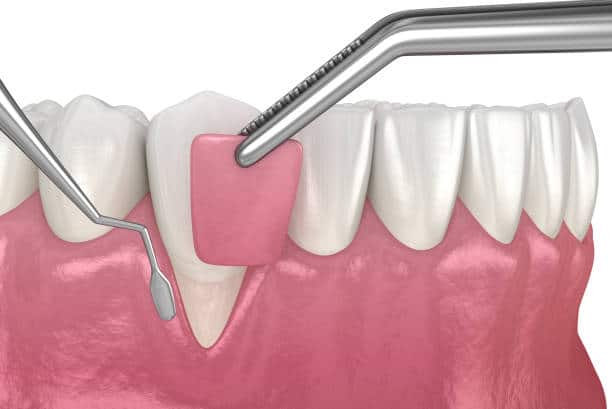
Just as no two people’s teeth are exactly alike, gum reshaping surgery varies depending on a patient’s needs. In general, if your gums appear uneven or cover a large portion of your teeth, this procedure involves removing excess gums and tissue to contour the gum line. If your gum tissue has receded, exposing more of your teeth than necessary, this procedure may entail grafting and restoring gum tissue to create a healthier smile. 

Uneven Gums: Causes and Effects

Gums can need reshaping for several reasons. Gums can overgrow because of the following:

●        Hormonal imbalances

●        Genetics

●        Prescription medication, such as immunosuppressants

●        Gum disease, if your gum tissue responds aggressively to tartar and plaque

Gum recession, also known as a receding gum line, occurs when the gum tissue pulls back from the tooth. Common causes include:

●        Genetics

●        Overzealous or improper brushing

●        Periodontal disease

●        Grinding or clenching teeth (also known as bruxism)

●        Using tobacco

●        A traumatic mouth injury

●        A misaligned bite

Gum Contouring Surgery: Is It Necessary?

Having your gums reshaped to improve the beauty and condition of your smile is not considered medically necessary. However, if you’re dealing with an underlying issue such as periodontal disease, your dental insurance might consider gum grafting or contouring surgery necessary to protect your teeth and bones. Likewise, if your gums have grown in such a way that they trap bacteria, your insurance may consider gum trimming or gum reduction surgery necessary.

What Type of Doctors Perform Gum Reshaping?

Periodontists, also called gum specialists, and many general dentists can perform gum contouring.

How Does It Work?

In general, gum reshaping is an in-office procedure that lasts about one to two hours and requires a local anesthetic. If the dentist needs to remove tissue, they’ll use a soft tissue laser or a scalpel and sutures. If you have too little gum tissue, the dentist will remove tissue from another part of your mouth and graft it to the receded areas, reshaping and lengthening the gum line.

What to Expect?

You can expect some tenderness afterward. You also might feel some soreness and swelling. Your dentist may suggest using an aspirin-free pain reliever, such as ibuprofen or acetaminophen, or applying an ice pack or cold compress to your mouth for 15 to 20 minutes over the next few days.

Recovery & Risks

A complete recovery could take weeks if your surgery is extensive. You might have to eat soft foods for two or three days, such as eggs, yogurt, pasta, soup, applesauce, or ice cream. You also might need to use an antibiotic mouth rinse to reduce the risk of infection. Your dentist will examine your gums soon after the procedure to monitor your progress.

Advantages & Disadvantages

Gum reshaping surgery can create a healthier, more beautiful smile. If you’ve needed this surgery for oral health reasons, it can strengthen your teeth along your gum line and reduce the damage from periodontal disease. However, any surgery has its risks, such as infection, a poor reaction to anesthesia, or dissatisfaction with the results.

Is It Permanent?

Yes, gum contouring is permanent. It’s not something that you’ll need to have redone every few months or years.

Consultation & Planning

Consult with your dentist or periodontist about whether you’re a good candidate for gum reshaping surgery. For instance, if your teeth and gums aren’t healthy because of periodontal disease, you might want to improve your oral health before restoring your gum tissue. Also, depending on your insurance coverage, you might need to discuss a budget or payment plan.

Dental Insurance

If your gum contouring surgery is related to your oral health because of a condition such as periodontal disease, talk with your dentist and dental insurance provider about covering a portion of these costs.

Finding a Competent Dentist Near You

Because of the delicacy of gum reshaping, it’s vital to find a dentist skilled in this type of treatment. Ask your dentist about their experience and for any before-and-after gum contouring examples.

The Chicago Dental Studio: Your Choice for a Perfect Smile

At the Chicago Dental Studio, we’ve provided top-notch, high-tech, and advanced dental care since 2012. We’re a proud member of the American Academy of Cosmetic Dentistry, and we’re glad to serve you at three convenient locations throughout Chicago. Go to our website’s contact page and click on “Book Now” to arrange an appointment near you.

Related Articles

Dental Problems And Solutions

Categories
Cosmetic Uncategorized

Cosmetic Dentistry: Things You Need To Know

Cosmetic dentistry or Aesthetic dentistry can give people more beautiful, confident, and healthy smiles by improving the appearance of their teeth. Are your teeth:

·         Chipped or broken?

·         Misshapen or misaligned?

·         Discolored or stained?

Cosmetic dental procedures can help your teeth look bright, white, and new again.

Cosmetic/Enhancive Dentistry: What Is It?

We tend to think of cleanings and fillings when we think of dentistry options, but aesthetic dentistry services are different from those at your regular dental checkups.

So, what is cosmetic dentistry? It involves fixes such as teeth whitening, bonding, fillings, crowns, inlays, onlays, Invisalign straighteners, and dental implants that enhance the appearance of your smile.

General Dentistry vs. Cosmetic Dentistry

General dentistry describes standard procedures such as cleanings, x-rays, extractions, and fillings, all of which are necessary to preserve your oral health. While aesthetic dentistry procedures sometimes work in tandem with general dentistry, such as repairing damage from periodontal disease, enhancive dentistry usually involves elective procedures that address aesthetics.

Can Cosmetic Treatments Help You Improve Your Oral Health and Function?

In some instances, enhancive dentistry can improve your oral health. If your gums are receding, aesthetical dentistry can:

·         Rebuild and restore your gum tissue

·         Strengthen your teeth

·         Protect your bones

Other cosmetic procedures can correct crooked, worn, or misaligned teeth, reducing long-term consequences such as jaw pain, uneven tooth wear, and cavities.

Things to Keep in Mind Before Getting a Dental Procedure

Even enhancive dentistry procedures can involve anesthesia and recovery time. Before getting any dental procedure, talk with your dentist about their experience with this treatment, precisely what it entails, and whether your insurance will cover any costs.

Types & Procedures

Here’s a summary of some popular types of cosmetic dentistry.

Teeth Whitening

Professional teeth whitening uses peroxide compounds to remove discoloration and stubborn stains from nicotine, caffeine, or simply aging.

Procedure

Your dentist can apply a product in the office, or you can apply the product at home using a professional-strength kit. If you have your teeth professionally whitened, they may need a refresh every six months to a year.

Cosmetic Fillings

Cosmetic fillings treat tooth decay with a synthetic combination of acrylic resin and glass that blends in with your natural teeth.

Procedure

The dentist drills to clear the decayed tooth, packs it with filling, then polishes it to match the surrounding teeth.

Dental Veneers

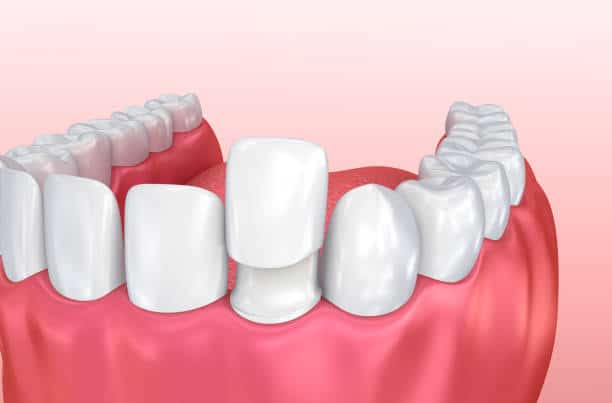
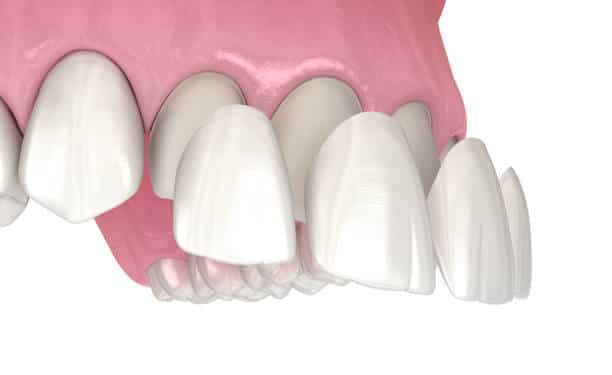
Dental veneers are thin ceramic coverings that permanently cover the front of a tooth to correct a chip or other imperfection.

Procedure

The dentist removes a small portion of the enamel from the front of the affected tooth, then takes a mold of that tooth to create a veneer. After checking fit, the dentist bonds the veneer to the tooth.

Dental Bonding

Dental bonding:

·         repairs chipped, cracked, or decayed teeth

·         closes gaps between teeth

·         corrects a tooth’s length or shape

Procedure

The dentist matches a special composite resin to the shade of your teeth. The dentist then:

·         conditions the tooth’s surface

·         molds and shapes the resin into place

·         dries it with a special light to bond it

Dental Crowns

A dental crown is a cap that covers a tooth or several teeth to prevent further damage or improve your smile. A crown often covers a weakened tooth, such as one treated with a root canal.

Procedure

The dentist takes a scan or a mold of the affected teeth and either crafts a custom crown in the office or sends it to a lab for manufacture before cementing it into place.

Inlays and Onlays

Also called partial crowns or indirect fillings, inlays and onlays restore a tooth that’s too damaged for a filling while providing stability and strength.

Procedure

The dentist drills away from the damaged portion of the tooth and makes a custom mold for the porcelain, gold, or composite inlay or onlay to blend in and fit correctly with the rest of your teeth.

Dental Implants

If you’ve lost a tooth because of an accident, an injury, or disease, a dental implant can improve your speech, restore your smile, and strengthen your surrounding teeth.

Procedure

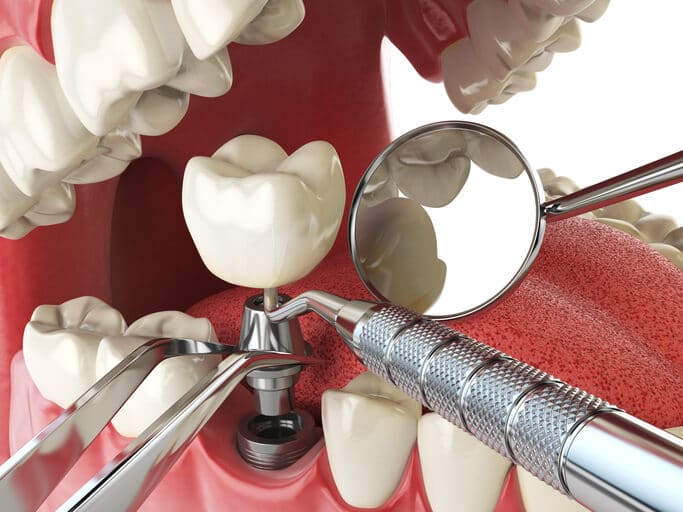
A dental implant involves surgery to place a metal fixture into your jawbone below the gums. Once this becomes integrated with your jaw, the dentist fits artificial teeth on top that blend in with the rest of your smile.

Invisalign

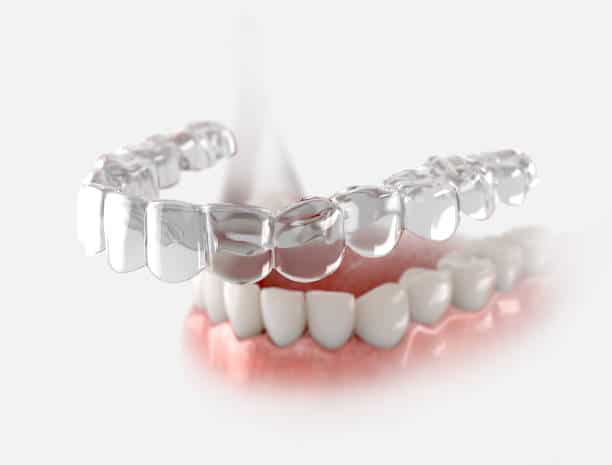
Invisalign is an alternative to traditional braces that uses custom-made transparent aligners to correct your bite and straighten your teeth.

Procedure

Invisalign uses clear plastic trays that you can wear discreetly and remove for cleaning. The dentist makes a scan of your teeth for each adjustment, and you switch out the trays over the course of about a year.

Full Mouth Reconstruction

Also called full mouth rehabilitation, this involves several aesthetic dentistry procedures to correct:

·         broken, missing, or worn teeth

·         a painful bite

·         damage from diseases such as gingivitis

Procedure

The procedure varies by patient, but it can involve deep cleanings, gum contouring, orthodontics, bone grafting, dental veneers, and orthographic surgery.

Advantages of Enhancive Dentistry

Enhancive dentistry restores your confidence as it enhances your smile. In conjunction with general dentistry procedures, aesthetical dentistry can also restore the strength and natural function of your teeth and your bite.

Dental Insurance

If you want enhancive dentistry strictly for aesthetic reasons, your dental insurance won’t consider this medically necessary. However, if your dentist notes the necessity of fixing a broken filling or adding a crown or implant to stabilize your teeth, your insurance may cover at least part of the cost.

Ways to Save on Aesthetic Dentistry

Dental discount plans are one way to save on aesthetic dentistry procedures. These involve paying an annual cost for an individual or a family, but they provide discounts at participating practices for general and cosmetic procedures like regular health insurance.

How to Find a Good Cosmetic Dentist Near You

A good cosmetic dentist is someone you trust to deliver quality results, especially given the cost. If you have friends or relatives who are happy with their dental care, they can refer you to an excellent cosmetic dentist. Otherwise, you’ll need to look at their credentials and experience.

Is The Price Worth It?

Some cosmetic dental procedures improve the strength and stability of your teeth, while others are purely aesthetic but no less worthwhile. It’s impossible to put a price on the self-esteem that someone feels when they can smile with confidence.

Credibility: Experience & Reputation

Look at how long the dentist has practiced and whether their office has any before-and-after photos of their work, as well as any testimonials. Likewise, you can search online for any complaints with the state dental society or dental board.

Location

You’ll want to choose a cosmetic dentist whose office is convenient for you, especially if your procedure involves more than one visit.

Accreditation

Most qualified cosmetic dentists have accreditation from the American Academy of Cosmetic Dentistry.

What to Expect at a Consultation

Before any consultation, be sure to determine what you’d like to change about your smile. Write down in advance any questions you have. Depending on your mouth’s overall health, your dentist might suggest treating any underlying issue, such as an infection, before diving into a cosmetic treatment plan. Be sure to listen to the dentist’s reasoning and note whether you feel they hear your concerns.

The Chicago Dental Studio: Say Hello to a Perfect Smile

Our team at The Chicago Dental Studio is proud to be a member of the American Academy of Cosmetic Dentistry, which has provided advanced, top-notch, and high-tech dental care since 2012. We have three locations across Chicago. To learn how we can help you find your smile again, visit our website, contact us, then click on “Book Now” to arrange an appointment at a convenient location near you.

Categories
Uncategorized

Dental Veneers: Cost, Insurance, Procedure, & Results

Dental veneers are an innovative and modern dental solution for individuals trying to achieve the perfect smile. 

Because many people judge others based on their smile, it’s no surprise that we all want to have perfect teeth. For university students, young professionals, and even those far into their careers, having an aligned and clean smile is a huge source of confidence in professional and private life. 

If you’re hoping to make your smile perfect, ceramic veneers offer an exciting solution for chipped teeth, gaps between teeth, and other dental damage. Continue reading to learn about veneer cost, how insurance works for this treatment, and more. 

Dental Veneers: An Overview

Veneers are thin coverings that adhere to the natural teeth of a patient. Aside from their aesthetic ability to restore vibrancy to stained teeth, veneers also improve dental functionality and comfort. 

Veneers are especially beneficial for patients with gappy or chipped teeth as they can amend both these issues, making it easier for patients to chew and eat. 

Average Cost of Dental Veneers

The type of veneers that you get impact the overall cost dramatically. Here is a summary of the different types of veneers, their price points, and their quality to help you figure out what type would be best for you:

  • Ceramic veneers. These are popular due to their minimal impact on surrounding gum tissue and their ability to blend in with an individual’s natural teeth.
  • Composite veneers. Comprised of composite resin (a mixture of organic and inorganic materials), this type of veneer is generally more cost-effective than porcelain ones. However, they have the trade-off of being less durable. can last for more than two decades (if they are taken care of properly). 

Does Dental Insurance Cover Veneers?

Since dental ceramic veneers are viewed by many as a purely cosmetic dental procedure, the procedure is rarely covered by medical insurance. Similarly, most dental insurance policies also do not cover the cost of veneers.

This means that many patients looking to get ceramic veneers are left to pay out of pocket for the procedure.

Some dental studios may accept certain types of dental or medical insurance for their veneer procedure. As this is up to the individual clinic to decide which insurance policies they accept, you should contact the specific studio where you want to get your veneers done to inquire about which (if any) policies they accept. 

What to Expect From the Dental Ceramic Veneers Procedure

If this is your first time getting dental ceramic veneers, here are the three steps in the process. 

  1. Initial consultation. Before the procedure, you must first meet with a cosmetic dentist to discuss your desired results and what type of veneers will best help you achieve those results. 
  2. Dental preparation for your veneers. Your teeth must be prepped before the veneers can be placed on them by having some of the tooth surface removed (to ensure that your teeth do not end up seeming larger than normal). 
  3. Bonding veneers to your teeth. During your second appointment, you will have your veneers bonded to your natural teeth. 

Dental Ceramic Veneers Results

Ceramic veneers come with a host of benefits for individuals, some of the main benefits being: 

  • Correcting chipped teeth. 
  • Filling in gappy teeth. 
  • Eliminating teeth discoloration and stains. 
  • Correcting irregularities in tooth shape. 
  • A more cohesive smile. 
  • A smile that boosts your confidence. 
  • More convenient chewing and eating. 

Achieve A Perfect Smile At Our Luxury Dental Studio

At The Chicago Dental Studio, we believe that all dental procedures should be viewed as a spa day for your mouth. Our dental professionals reject the notion that a visit to the dentist needs a precursor of apprehension. Instead, we aim to create an immersive, relaxing dental experience for each one of our patients. 

Schedule an appointment at The Chicago Dental Studio today if you are interested in a luxury dental experience that makes you feel pampered. Our premium dental studio can provide you with dental veneers that complete your smile and give you a deserved confidence boost.


Categories
Uncategorized

Types of Dental Crowns

Dental crowns mitigate tooth decay, protecting natural teeth and preventing further tooth pain. If you are suffering from advanced tooth decay and are having trouble with fillings, then dental crowns may be the solution for you. 

Continue reading to learn more about the types of dental crowns available and how much they cost.

What Are Dental Crowns?

A dental crown is a specialized cap that’s used to protect a damaged tooth. Dental crowns become necessary when a tooth is cracked, severely worn down, or has a cavity. In some cases, dental crowns may be useful to protect a tooth after a root canal. 

Dental crowns are also used during tooth implant procedures. The crown is the visible tooth-like part of the implant. 

Benefits of dental crowns include: 

  • They can help restore the alignment of your bite.
  • No special maintenance is required (simply brush and floss as recommended by your dentist).
  • They are mostly permanent, lasting for decades. 
  • Crowns save damaged teeth and prevent dead teeth from breaking apart. 

Types of Dental Crowns

There are several types of dental crowns, each with its advantages, price points, and level of durability. Some crowns, like gold, are popular for their durability, while others, like ceramic, are selected for their natural appearance. 

Gold Alloy Crowns

This type of crown is created using gold and a mixture of other metals to create a more malleable, comfortable crown that is unlikely to damage surrounding teeth. An added benefit of gold alloy crowns is that they don’t fracture as many other crowns may.  

Ceramic Crowns

This type of crown is ideal for blending seamlessly into a patient’s natural smiles and maintaining the same level of firmness as a natural tooth. One potential downside to ceramic crowns is that they can chip, making them not the best option for individuals who grind their teeth in their sleep.  

Metal Alloy Crowns

Metal alloy crowns are comprised of a mixture of metal types to provide a cost-effective, durable crown option.

Porcelain-Coated Metal Crowns

This is known for being exceptionally strong and natural in appearance. Porcelain-coated crowns are ideal for patients who don’t mind the higher price tag and want the most inconspicuous option. 

These crowns are made by fusing porcelain to metal, resulting in a sturdy, durable crown.  

Composite Resin Crowns

This type of crown is made from composite resin substances which can be shaded to match the natural color of an individual’s teeth. Common resin materials used to create composite resin crowns include silicon dioxide resin, acrylic polymer resin, and polymethyl methacrylate resin.

Same Day Dental Crown

Same day dental crowns are often used as an emergency fix. For instance, did you break your tooth the day before a big event? If so, same day dental crowns can save the day.

While not being quite as durable as other types of crowns, same day crowns are still very useful in the dental world and can be life-savers if an emergency dental situation occurs at exactly the wrong time.  

How Long Do Dental Crowns Last? 

While the lifetime of your dental crown will depend primarily on the material it is made from, many dental crowns can last between 10 and 30 years.

If longevity is especially important to you, make sure that you discuss this with your dentist so that they can help you find the best dental crown option for you. 

Dental Crowns Cost

The cost of your dental crowns depends on the material used, how much work is required to get your teeth prepared and insurance coverage. Minor gum surgery may be necessary, or even a root canal therapy, which affects the final cost.

Related Articles

Dead Tooth Root Canal Before And After

Schedule an Appointment at The Chicago Dental Studio 

Our mission at The Chicago Dental Studio is to revolutionize the world of dentistry by providing premium care, high-quality crowns, and a dental experience that leaves our patients feeling pampered. 

If you’re wondering if dental crowns are the right choice for your mouth, schedule an appointment with us today.


Categories
Uncategorized

What Is Invisalign & How Does It Work?

Invisalign is a cutting-edge dental treatment used to straighten crooked teeth. While similar to braces in many ways, Invisalign offers some unique advantages that have made it a highly sought-after alternative to traditional braces. 

If you’re wondering, what is Invisalign, and could I benefit from it? Continue reading or get in touch with The Chicago Dental Studio to learn the answers to these questions.  

How Does Invisalign Work?

Invisalign uses clear aligners to apply gentle pressure to realign and straighten crooked teeth. Aligners are clear and virtually unnoticeable and must be worn for a minimum of 22 hours a day to yield satisfactory results.

Invisalign vs. Braces: Which Is Better? 

This is a tough question to answer definitively. While both Invisalign and braces offer similar benefits and dental results, there are several factors that may make one method the superior option for a particular patient. Find more about Invisalign vs Braces

How Long Does Invisalign Take & What Steps Are Involved In the Procedure? 

Invisalign treatments typically take between 12 and 18 months to complete, though sometimes achieving desired dental results may take around two years. 

The Invisalign process follows four steps, including: 

1. Initial Consultation

Before Invisalign treatments can begin, an initial consultation must take place. During an initial consultation, your mouth will be examined, result desires discussed, and the dentist may offer suggestions or an estimate for how long it may take to align your teeth. 

2. X-rays, Photographs & Digital Scans

X-rays and photographs and digital scans of your mouth will be taken to ensure that an accurate aligner is created for your jaw and teeth. 

3. Aligner Fitting Session

Once your aligners have been made, you will need to test them to see if they fit correctly. Your dentist will check and ask you questions about the comfort of how they feel in your mouth and will then instruct you on how to care for your aligners and use them properly. 

4. Follow-Up Consultation

In order to ensure that your aligners are doing their job, you will need to revisit your dentist in a few weeks. Your dentist will check again how your aligners are fitting and see if your teeth have moved at all. 

Can I Switch From Invisalign to Braces? 

Suppose Invisalign is not yielding the results you want. In that case, your dentist may recommend having new X-rays and photographs taken of your teeth and mouth in order to see if the previous aligners were made using inaccurate dimensions. 

If, however, you decide that Invisalign is not the treatment route you wish to take and instead you want to switch to traditional metal braces, your dentist will help you make that transition. 

Average Invisalign Cost in Chicago

As with most dental procedures, Invisalign isn’t cheap. When patients opt for Invisalign, they choose a premium dental service that will improve their smile quality and confidence.  

Related Articles

Where to Get Invisalign
Invisalign Headache
How Long Does Invisalign Take

Get Premium Invisalign Services at The Chicago Dental Studio 

Here at The Chicago Dental Studio, we are passionate about helping patients achieve the world-class dental experience they deserve. Our studio wishes to change the narrative that all dental procedures are a nuisance. Instead, we aim to shift the perspective by creating a luxury experience for each of our patients. 

From the moment a patient walks through our studio doors, we prioritize their unique dental needs and tailor treatments to give them the premium care that their teeth deserve. 

For a comfortable and fitted-to-you dental experience, schedule a consultation at The Chicago Dental Studio today.


Categories
Uncategorized

Maintenance Required For Dental Implants

Maybe you gave up on your nighttime routine of brushing and flossing a long time ago or had an accident that has left you without some of your permanent teeth. No matter the reason, you have some implants that you may be thinking are the best set of teeth you’ve ever had. What dental implant maintenance steps can you take to keep them looking great? 

Dental Implant Maintenance – An Overview 

Dental implants replace your missing natural teeth, and there are precautions you can take at home to ensure implant success the way you would ensure good oral hygiene for your natural teeth. Visits to your hygienist to get them cleaned and checked regularly for issues can also affect the longevity of your implants. 

Your implants can provide you with strong and healthy teeth and gums for over a decade by following your dentist’s maintenance program. 

Importance of Dental Implant Maintenance

A dentist’s maintenance program consists of many dos and don’ts, each tip playing a vital role in maintaining your implants.

A list of things you should maintain regularly include:

● Cleaning dental implants at home: Brushing and flossing your teeth after every meal.

● Regular visits to your hygienist: Plan on visiting every 3-6 months for cleanings, X-rays, and assessments of possible issues. 

●  Maintenance protocols:

○  soft tissue assessments 

○  plaque index 

○  clinical probing depth  

Things that you shouldn’t do include:

● Smoking: Smoking can obstruct the healing process because the bone will refuse to mesh with the implant. 

● Putting pressure on your teeth: When grinding or clenching your teeth, the titanium oxide layer on the implant surface can deteriorate, weakening your implants and exposing them to infections. 

Routine Maintenance for Dental Implants with a Hygienist

Regular visits to your hygienist will guarantee that any alarming developments are taken care of from the start with maintenances like:

Routine cleanings: From observing the gums to analyzing the secureness of the dental implants, your hygienist will conduct checkups and cleanings. 

● Probing depths: Probing monitors the soft tissues around the implant, including the peri-implant tissues. If probing depths become deeper and the bleeding rate increases over time, this can be an indicator of bone loss or detachment. 

● Extraoral examinations: An extraoral examination evaluates the peri-implant soft tissues. If this disease is in its beginning stages, proper cleaning can reverse signs of peri-implantitis. 

● Radiographic examinations: Your dentist will check to see whether your bones can support implants and will take note of any drastic changes in your bones and hard and soft tissues. 

Prevent the Following Diseases/Infections with Regular Implant Maintenance

Dental implant cleanings prevent many diseases and infections that can jeopardize the health of your implants. Some issues that dentists commonly encounter are:

● Microbial biofilm, which consists of microorganisms like Candida albicans or Streptococcus mutans. If the implant isn’t cleaned properly, the microbial biofilm will erode the surface of the implant. 

● Soft tissue recession usually occurs with extreme force placed on the gums. When the gums diminish around your natural teeth or the implant structure, it can lead to plaque buildup, inflammation, and peri-implant mucositis.

● Peri-implantitis, considered the gum disease for implants, is avoided by meticulous cleaning. By acknowledging signs like red and swollen gums tender to the touch, bleeding during cleanings, and visible plaque buildup, you can nip these conditions in the bud before they worsen. 

Dental Implant Maintenance and Care at Home 

Quality dental implant maintenance starts at home. The first thing you should take into consideration is using the right products. The three most important tools in your dental care routine are:

  • A soft-bristled manual or electric toothbrush: Hard bristles will cause gum recession and sensitivity. The ideal toothbrush will also be small enough to work its way around your implants. 
  • A tartar-control toothpaste: This low-abrasive toothpaste will prevent the buildup of plaque and tartar. 
  • Dental floss: Flossing removes any plaque, tartar, and food residue left behind by brushing. 

When cleaning dental implants, preferably three times a day, brush gently but thoroughly around the perimeter of each tooth. Then, it’s time to floss. Many hygienists suggest using floss threaders for people with implants since flossing correctly keeps your gums healthy enough to hold your implants in place. 

Scheduling Professional Dental Implant Checkups and Maintenance

Once you’ve done your job at home, count on us to do the rest! At The Chicago Dental Studio, we want to provide you with the best dental implant maintenance possible because we believe strengthening your teeth strengthens your self-assurance. When you’re ready to book an appointment, call and book a virtual consultation

Categories
Uncategorized

What Are The Steps of A Full Mouth Reconstruction?

Taking care of your teeth is not a one-person job. You may understand that, especially since you might be caring for your teeth at home while keeping up with regular dentist check ups. However, there are still many things that can jeopardize the health of your teeth and gums. 

If you have a habit of grinding your teeth, gum disease, or a few missing teeth, you may need to restore the lower and upper jaw, also known as full mouth reconstruction.  

Full Mouth Reconstruction – An Introduction

Full mouth reconstruction consists of numerous dental procedures necessary to restore the overall oral health of an individual. Many people considered for full mouth reconstruction in the upper and lower jaws also include people with:

●      Missing teeth in several places

●      Damaged teeth due to nighttime grinding

●      Tooth decay

●      Loss of jawbone density

●      Acute acid reflux 

The steps and procedures of a full mouth reconstruction are specialized since the treatment list depends on each person’s situation. 

Services Included in a Full Mouth Reconstruction

If you’re eligible for full mouth reconstruction, you may be a candidate for:

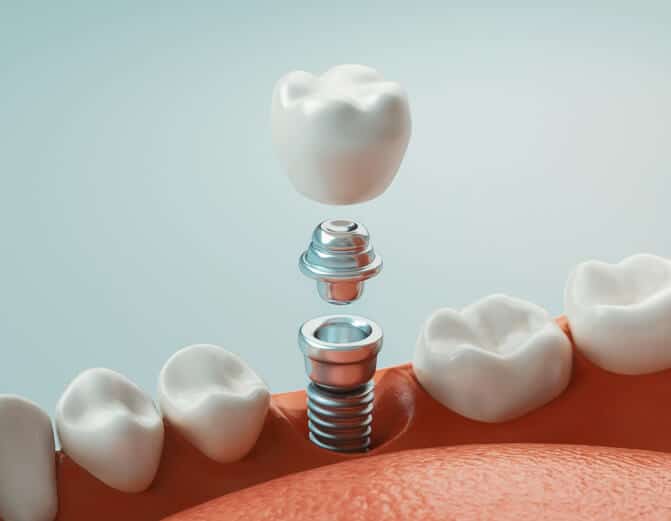
●      Teeth implants: With a titanium post, abutment, and restoration, your implants will match your natural teeth and keep your gums strong. 

●      Veneers and dental crowns: If you have a slightly rotated, cracked, or stained tooth, a full mouth reconstruction dentist will place a porcelain cap over the tooth to help protect it while correcting the appearance of your smile. 

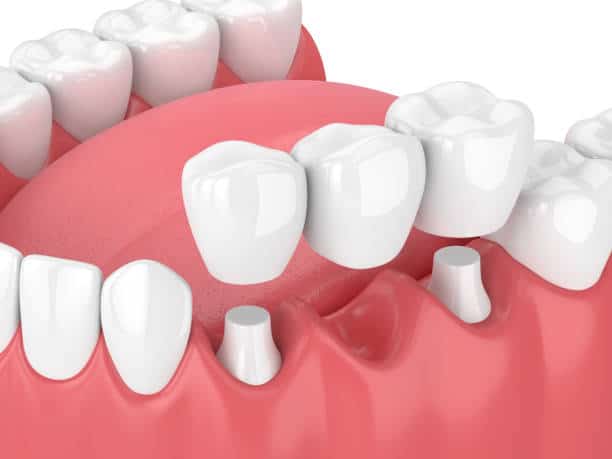
●      Dental bridges: Dental bridges replace sections of missing teeth. Gaps in your bite can cause pressure to be unevenly distributed across the rest of your teeth, negatively impacting the health of your jawbone. 

Steps of a Full Mouth Reconstruction

To find the best full mouth reconstruction dentist, do your research. Once you’ve found someone you can trust, meet with them for a consultation. 

Consultation and Examination

A consultation consists of a basic checkup and X-rays, informing your dentist of the condition of your teeth. You should also take this time to ask any questions you may have about the possible procedures.  

Your dentist will then talk about pricing. The overall cost of a full mouth reconstruction depends on the severity of your case.

Treatment Plan

Your dentist will take extra scans or impressions of your teeth to further understand your oral health and structure. The subsequent steps of your full mouth reconstruction steps include:

  •  Developing a treatment plan 
  • Removing old dental work
  • Taking care of remaining decay

Periodontal Disease Treatment

Periodontitis is a disease that plagues the gums, ultimately affecting the jawbones and the soft tissues that support your teeth and leading to tooth loss.   

By scaling and cleaning the pockets around the teeth, a periodontal disease treatment will reduce the possibility of this disease as well as heart disease, diabetes, and strokes. 

Bone Grafting and Implants

Bone grafting is the next vital step in the process since bone health affects the future of your teeth. The alveolar ridge bone secures the teeth in your jaw. However, if you suffer from severe bone loss, both your implants and your natural teeth will become loose. Bone grafting works to restore your jawbone to make the dental implants possible. 

After this oral surgery is complete, implants that mirror your natural teeth are placed in any empty sockets to maintain your new quality bone structure. 

Cosmetic Dentistry

Cosmetic dentistry improves the look of your smile. For some people, this includes dental crowns, which protect cracked teeth from becoming worse or hide discoloration. 

Cosmetic dentistry also includes bridges and implants that create a full jaw of teeth, protecting your jawbones, gums, and surrounding teeth. 

Teeth Whitening and Veneers 

If you’ve become self-conscious about stains or the discoloration of your teeth, many teeth bleaching treatments use hydrogen peroxide to safely enhance the look of your smile. 

Veneers are also a popular alternative. A dentist can place porcelain white caps over your existing teeth, hiding smaller, discolored, or slanted teeth.

Schedule a Full Mouth Reconstruction with The Chicago Dental Studio

Anticipating a full mouth reconstruction may seem daunting and confusing, but it doesn’t have to be. The right full mouth reconstruction dentist will work with you to discover what procedures are necessary for your situation and walk you through each treatment step by step until completion. 

If this is the type of dental care you’re looking for, reach out to The Chicago Dental Studio and schedule a consultation to get started today.

Categories
Uncategorized

How Long Does a Dental Implant Procedure Take


Dental implants are one of the most common dental procedures performed each year. This is because roughly 69% of adults between the ages of 35 and 45 have one or more missing teeth and require a dental implant in order to restore their smile.

How Long Does It Take To Get Dental Implants?

The length of the procedure for dental implants varies based on a number of factors. These include:

  • The number of teeth involved
  • Your current oral health
  • Whether or not you are having a tooth extracted prior to the implant
  • The specific teeth that you need implants for
  • And more

If you want to know the precise amount of time that it may take to get your implant, schedule a dental appointment at one of our studios to speak with a dentist about your implant needs.

What Is a Dental Implant?

A dental implant is inserted to act as a tooth root for individuals missing one or more teeth. Dental implants are made out of titanium or zirconia posts inserted into the jawbone to attach a bridge, crown, or denture.

The 5 Dental Implant Procedure Steps

If you have scheduled your dental implant surgery, your procedure will likely follow these five steps:

  • Dental Exam and Consultation. This is when your dentist may take X-rays and 3D images in order to create accurate models of your teeth and jaw structure.
  • Dental Implants Procedure. After the initial exam and consultation, impressions will be taken of your mouth, extractions made (if necessary), and bone grafting will be done (if needed).
  • Postoperative Recovery. You may experience pain, minor bleeding, swelling, or slight bruising after the operation. To reduce these unpleasant symptoms, you may need to take medication or apply an ice pack to your face for several days following the procedure.
  • Abutment and Crown Fitting. After the implant is secured and has integrated into your jawbone, an abutment will be attached to the implant.
  • Post-Operative Care For Dental Implants. Make sure to carefully follow your dentist’s instructions regarding post-operative care to ensure maximal healing in a minimal timeframe.

5 Benefits of Dental Implants

Five of the best advantages that dental implants offer include:

  1. They operate in the same way as natural teeth and make chewing and eating easier.
  2. Oral hygiene remains the same with dental implants like natural teeth (no need to change your regiment!).
  3. Dental implants do not shift and also prevent the teeth surrounding them from shifting — meaning that your jawbone structure is maintained.
  4. Dental implants can be used to fill in gappy teeth.
  5. Dental implants are a long-term solution and can last for many years.

Dental Implants Recovery Time & Tips

Recovery time depends on a number of factors and potential complications.

The following four things could affect recovery speed and ease:

  1. The number of teeth that received an implant.
  2. Jawbone health (how easy is it for the implant to adhere to the bone?).
  3. Whether or not the dental implant procedure requires bone grafting.
  4. The oral health of the individual.

Five tips that may help expedite recovery include:

  1. Try to consume only soft, nutrient-dense foods during your recovery, as this will ensure that you don’t injure the surgery site.
  2. Avoid alcohol and smoking during the recovery period as they can inhibit recovery.
  3. Don’t drink using a straw as this could inhibit healing by causing blood and tissue to go to the wound site.
  4. Maintain good oral hygiene by continuing to brush and floss regularly and using a mild mouthwash. Do not brush vigorously, as this could damage the surgery site!
  5. Understand that recovery time will vary dramatically from person to person. This is both normal and to be expected. However, if you have any concerns, always discuss them with your dentist.

Dental Implants Procedure Cost

The cost of a dental implant procedure will vary slightly depending on the type of dental studio you go to, how many implants you need, your oral health, and other factors.

To get a more concrete estimate for the cost of your dental implants, schedule a consultation at The Chicago Dental Studio.

Visit a Dental Implants Studio Today

Our dental studio focuses on doing dentistry the right way. We offer each of our clients a premium and personalized dental experience, unrivaled by other dentists in the Chicago area.

If you are ready to take your dental health to the next level, schedule a consultation at The Chicago Dental Studio today.

Related Articles

Best Orthodontist Near Me


Categories
Uncategorized

What Are The Different Types of Dental Implants

Around 500,000 dental implants are placed annually in the United States, making it one of the most common dental procedures. Implants might become necessary for a number of reasons including missing teeth, jawbone deterioration, chipped teeth, dental infection, etc.

If you suspect that you need dental implants, it’s important to get the world-class care that your smile deserves. Rather than going to any old dentist’s office, choose a premium dental studio where you can enjoy your dental upgrade in style.

At The Chicago Dental Studio, our dental team provides Chicagoans with high-end care customized to their exact needs. Our patients come to us not only to have their dental needs met, but to experience luxury care and relaxation.

Continue reading to learn more about dental implants and how they can benefit your dental health or get in touch with The Chicago Dental Studio to start the journey towards a healthier, more glamorous smile.


Dental Implant Systems

Dental implants are metal, screw-like pieces that are placed in the mouth (via surgery) to replace tooth roots. These artificial roots are often used to secure dentures (artificial teeth used to replace natural teeth) or as a means to bypass other, more complicated dental work.

Endosteal Implants

Endosteal implants are generally made up of titanium and are implanted into the jawbone using a screw-like system. Endosteal implants are the most common type of dental implants and are used as artificial roots that hold dentures.

Subperiosteal Implants

This type of denture uses a metal frame structure to rest on the jawbone right beneath the gums in order to support a dental crown, denture, or bridge.

types of dental implants systems

Dental Implant Materials

There are two primary types of implant materials:

  • Titanium implants: as the name suggests, these implants are made from titanium, one of the few metals that allows the bone to grow naturally beside the implant.
  • Zirconia implants: this type of implant only became popularized in recent years but is already catching up to titanium implants as it is very durable and is not a metal-based implant (as titanium is).

Dental Implant Coatings

When it comes to the best types of dental implant coatings, dental patients have several options to choose from. The type of coating that is best for you is determined based on a number of factors and should be discussed with a dental professional.

Popular types of dental coatings include:

  • Plasma-sprayed
  • Grit-blasted
  • Acid-etched
  • Hydroxyapatite

Dental Implant Connectors

Another way that dental implants are classified is by connector type. Your dentist, implant, and personal needs will help you determine the best type of connector for smile.

The primary types of dental implant connectors are:

  • Internal Hex Connectors. This type of dental connector has a hexagon shape with a hole in the top where the dental implant is inserted.
  • External Hex Connectors. This type of dental connector is no longer commonly used as they are not as effective as other types of connectors.
  • Internal Octagon Connectors. This type of connector has an octagonal shape and is generally considered to be one of the most effective types of implant connectors.

How Much Do Dental Implants Cost?

This often depends on how much you are willing to invest in your dental experience as well as the type of dental implants that you need. It’s important to realize that premium dental implants are an investment and that higher-quality ones often come with a reflective price tag.

Another thing to keep in mind while budgeting for your dental implants is that you will likely have additional costs as well. These may include things such as getting a crown, the cost of tooth extraction (if necessary), abutment cost, and post-operative care.

Are Dental Implants Worth It?

Investing in your dental health is most certainly worth it.

Ensuring that your dental health remains at 100 is not only an investment into your current health, it’s also an investment into your future health.

Some of the benefits of dental implants include:

  • A better smile
  • Improved comfort
  • Reduced discomfort while eating
  • Improved confidence
  • Improved speech
  • Benefited oral health

Where To Get Premium Dental Implants in Chicago

The Chicago Dental Studio has been hard at work raising the dental industry standard in order to provide Chicagoans with top-notch dental care. We believe that going to the dentist shouldn’t be a drag, but instead should be like a spa-day for your mouth — a luxury experience where you can indulge and treat yourself.

Contact The Chicago Dental Studio to get the premium dental experience that you and your pearly whites deserve.

Useful Resource

Dentist Chicago | TMJ Specialist in Chicago

Related Articles

Best Orthodontist Near Me